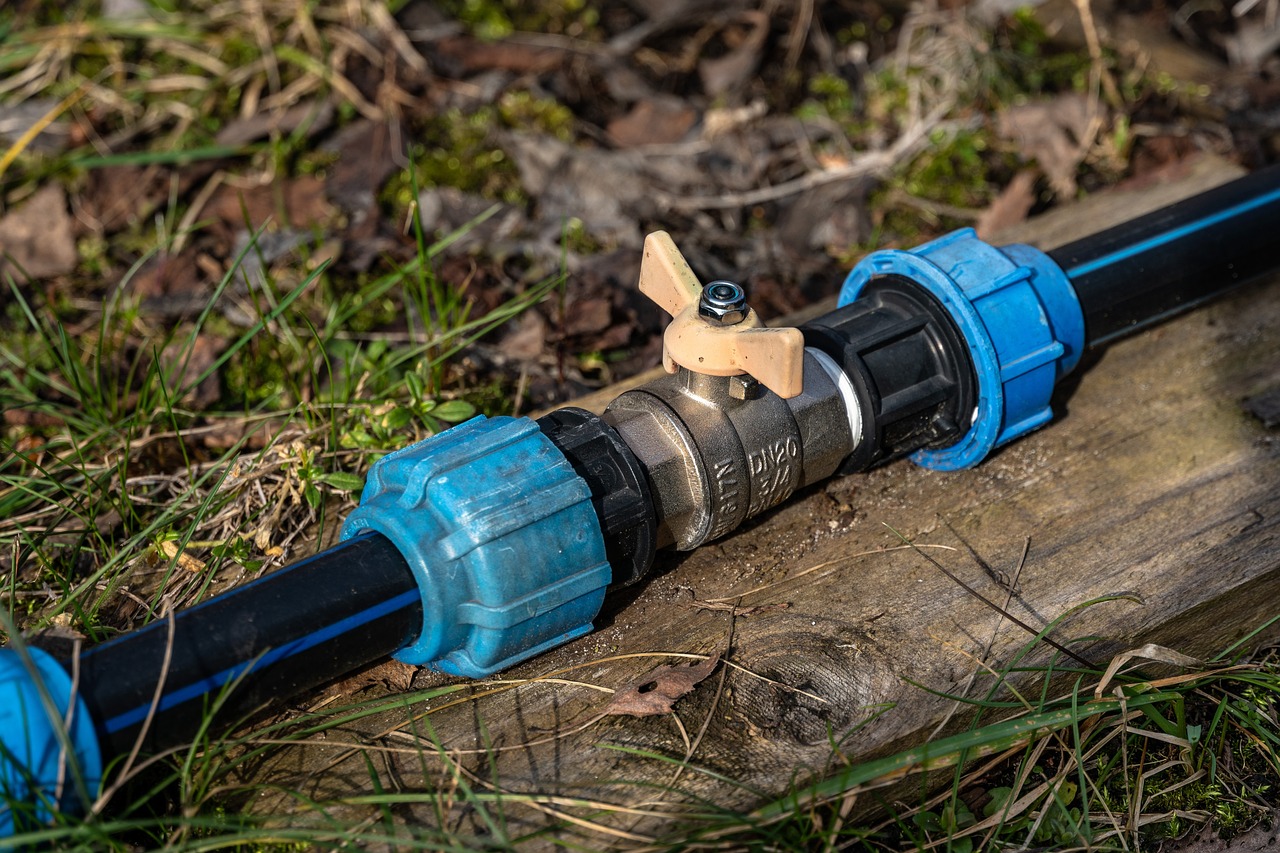
Slab Leak Water Damage
Leaks in pipes under the concrete slab, found, opened and the wet flooring, walls and cabinets dried.
View service (833) 829-0018
Far North Dallas, TX
Tile that feels warm and wet in the kitchen, a brown ring on the hallway ceiling under the attic water heater, a pipe that let go during an ice storm. One call reaches a local restoration company that can find the water, pull it out and dry the house.
Have your 5-digit ZIP code ready. A short prompt connects you to a local provider.
Water damage restoration in Far North Dallas covers stopping the leak, extracting water from carpet, wood and tile, drying slab floors, drywall, cabinets and attic framing with dehumidifiers and air movers while checking moisture daily, and repairing what had to be removed. The common causes here are slab leaks, attic water heaters and AC drain lines, polybutylene pipe failures, hail-damaged roofs and freeze breaks.
What it covers
Water damage restoration in Far North Dallas brings a wet house back to dry and repaired. The water might come from a pipe that cracked under the slab as the clay soil moved, from an attic water heater or AC drain pan overflowing onto the ceiling, from a frozen line during a hard freeze, or from rain that found a hail-damaged roof. Plumbing on your side of the meter is yours, so this is a private repair, not a city one.
Pick the page that fits. Water seeping up through the floor or warm wet tile points to slab leak water damage. A stain or drip under the attic is attic water heater and AC leaks. A line that split in the cold is frozen and burst pipes. Leaks after a storm are hail and storm roof leaks. Water extraction and drying is the core of every job, and growth after a slow leak is mold remediation.
Neighborhoods vary too: brick ranch and two-story homes around Prestonwood, and larger custom homes with bigger attics and more bathrooms in Bent Tree.
First moves
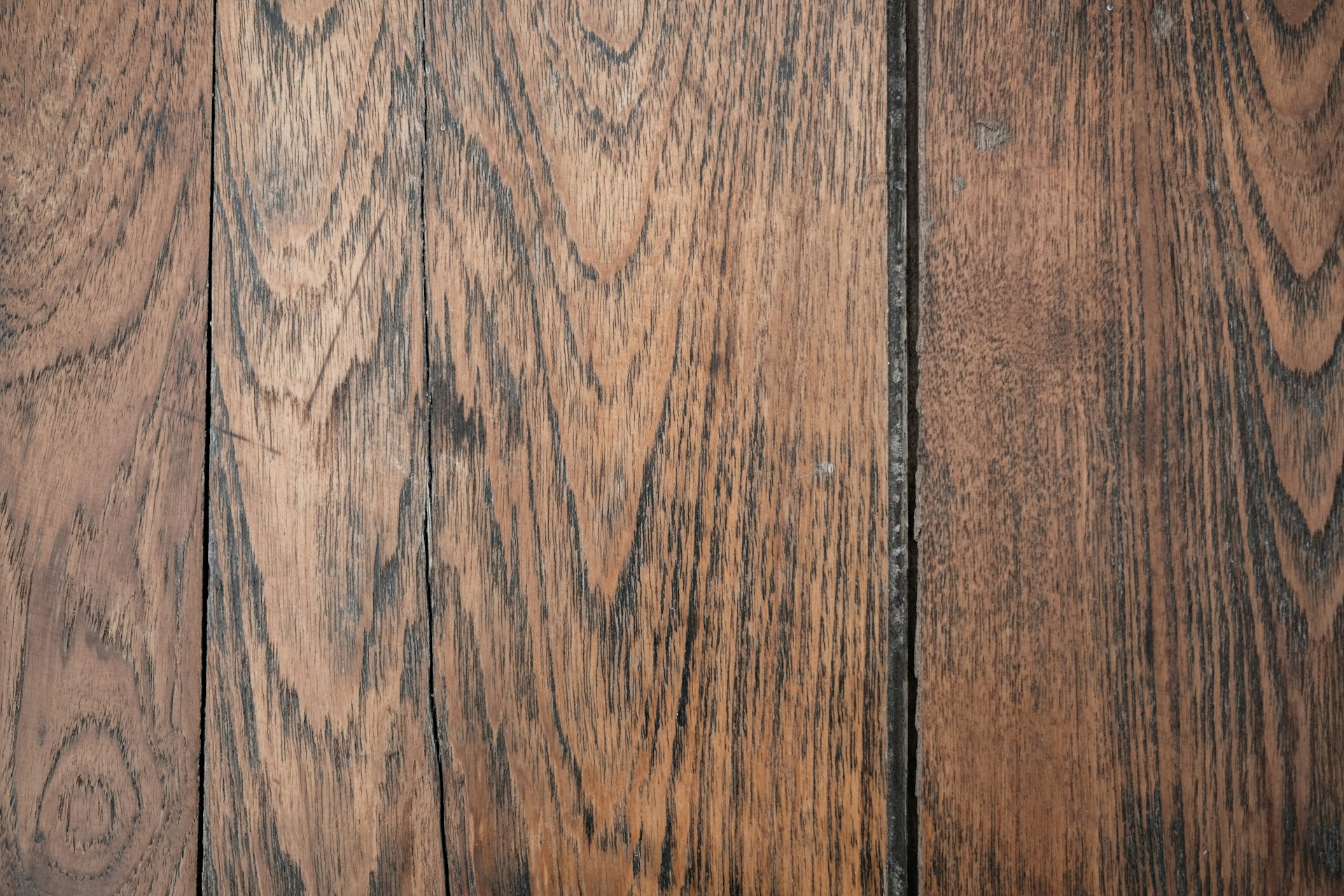
Close the main at the curb box or the house valve. For a water heater leak, close the cold inlet on top of the tank and turn off the gas or the breaker.
Keep out of water near outlets, floor plugs and power strips. Do not stand under a ceiling that bulges or sags.
Photograph and film the water, the source and the rooms before you move anything. Your adjuster will ask.
Call (833) 829-0018. Water spreads under tile, laminate and baseboards within hours, and cabinets on a wet slab start swelling the same day.
Crews grade water before they touch anything, because the grade decides what they can keep.
Clean water (category 1) comes straight from a supply line, a water heater or fresh rain. Caught early, carpet and drywall can often be dried where they are.
Gray water (category 2) has something in it: a washer or dishwasher drain, an AC condensate overflow that ran across a dirty attic, or clean water that sat a couple of days. Expect more removal and cleaning.
Black water (category 3) is sewage or outside flood water. Anything porous it touched comes out, and the rest is disinfected before drying starts.
Restoration companies around North Dallas run on-call crews nights, weekends and holidays. Most callers in 75248, 75252 and 75287 get an arrival window on the first call and a same-day visit. During a citywide event, like a hard freeze or a big hail night, everyone gets busy at once, so call as soon as you find the water.
Tell the dispatcher if the leak is in the attic, under the slab or from a fixture. Attic jobs need ladders and ceiling protection; slab jobs may need leak detection first.
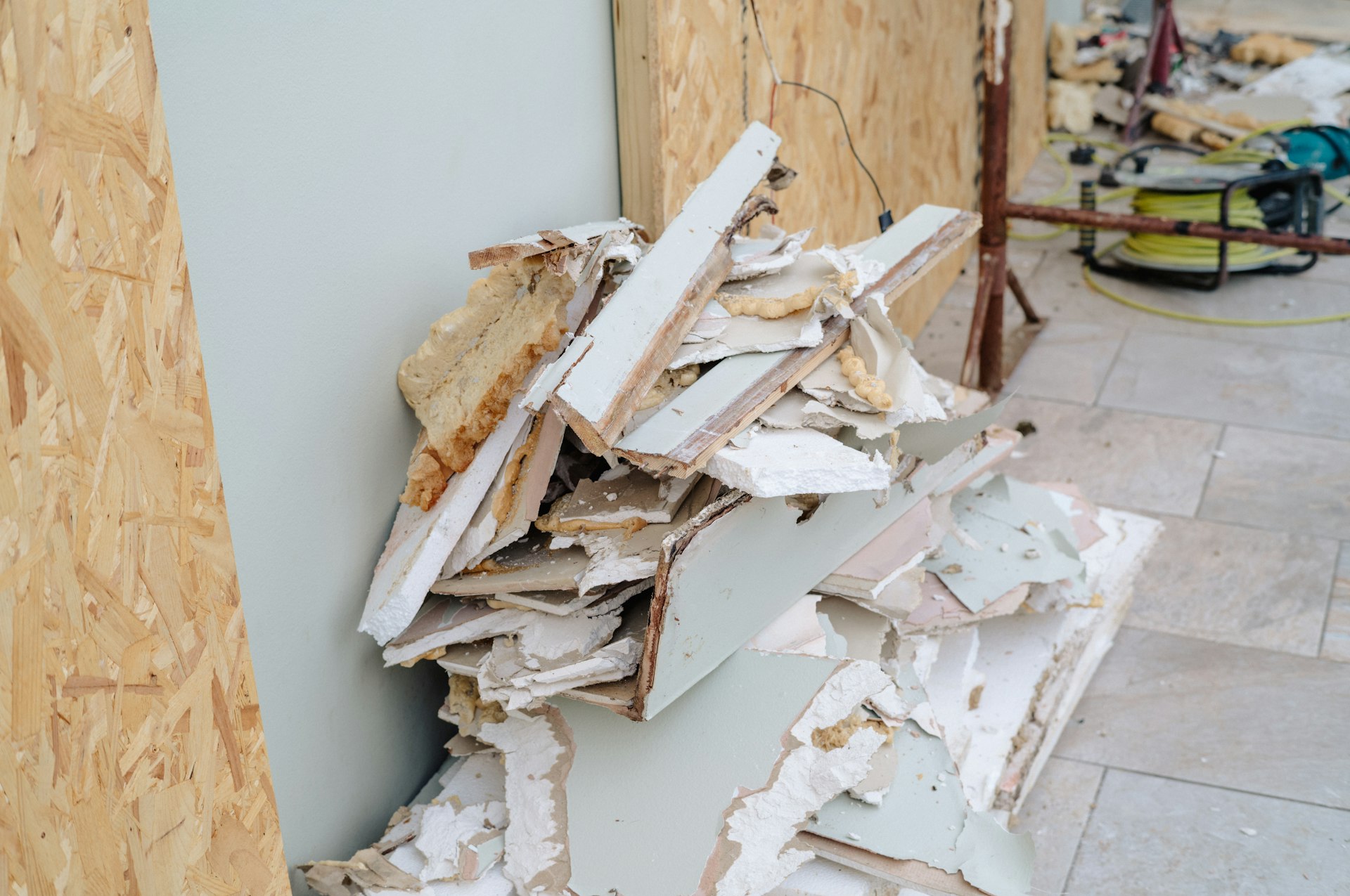
Water behaves differently on a slab than over a basement or crawl space. It has nowhere to drain, so it spreads sideways under tile, laminate and carpet, and wicks up into walls and cabinet bases. A leak in one bathroom can show up as a damp hallway carpet two rooms away. That is why crews here rely on moisture meters and thermal cameras rather than what they can see. It is also why a small leak caught on day one costs so much less than the same leak found a week later under a kitchen full of cabinets.
Services
Each page explains the work in plain language and what to ask before it starts.
Leaks in pipes under the concrete slab, found, opened and the wet flooring, walls and cabinets dried.

Water from an attic water heater or a clogged AC drain line, dried out of insulation, ceilings and walls.
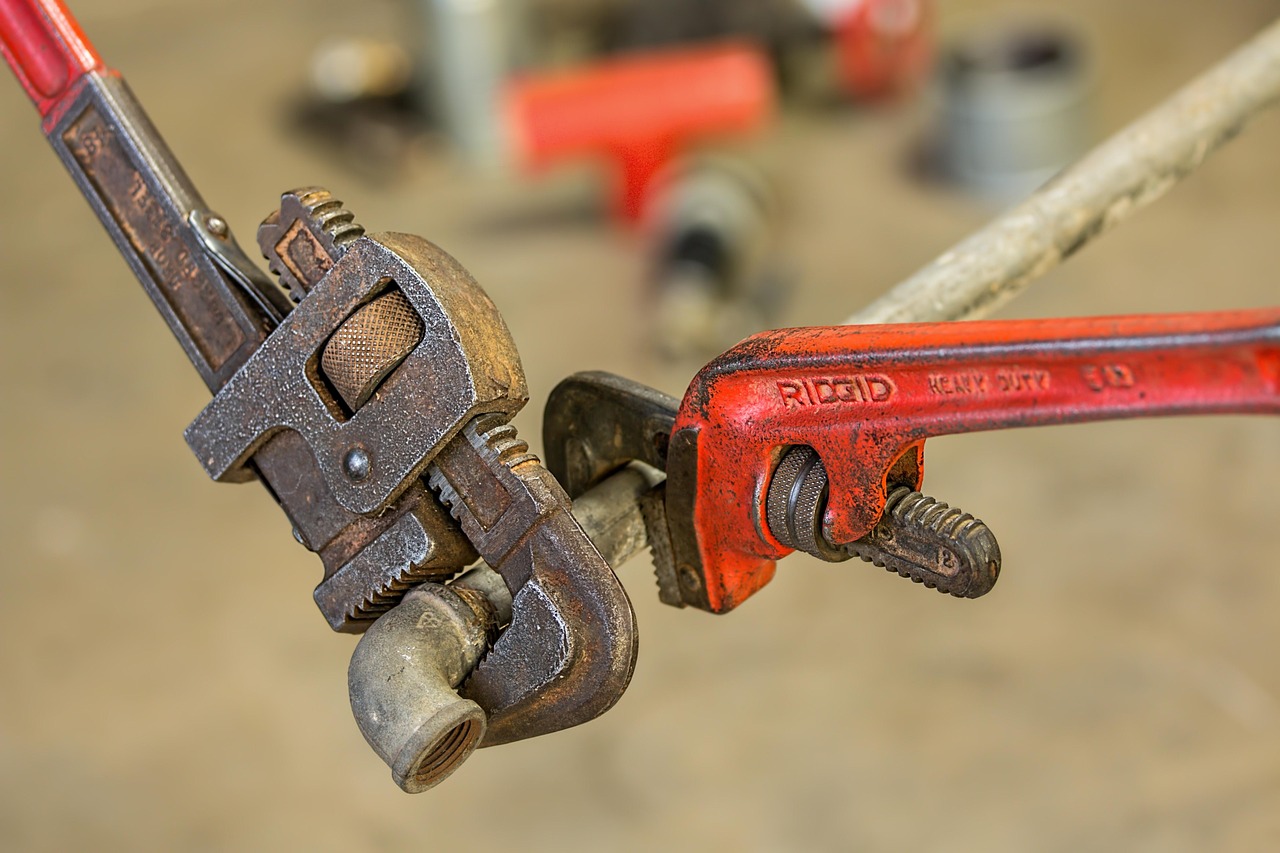
Pipes that split during an ice storm or failed with age, including gray polybutylene lines, and the rooms they soaked.
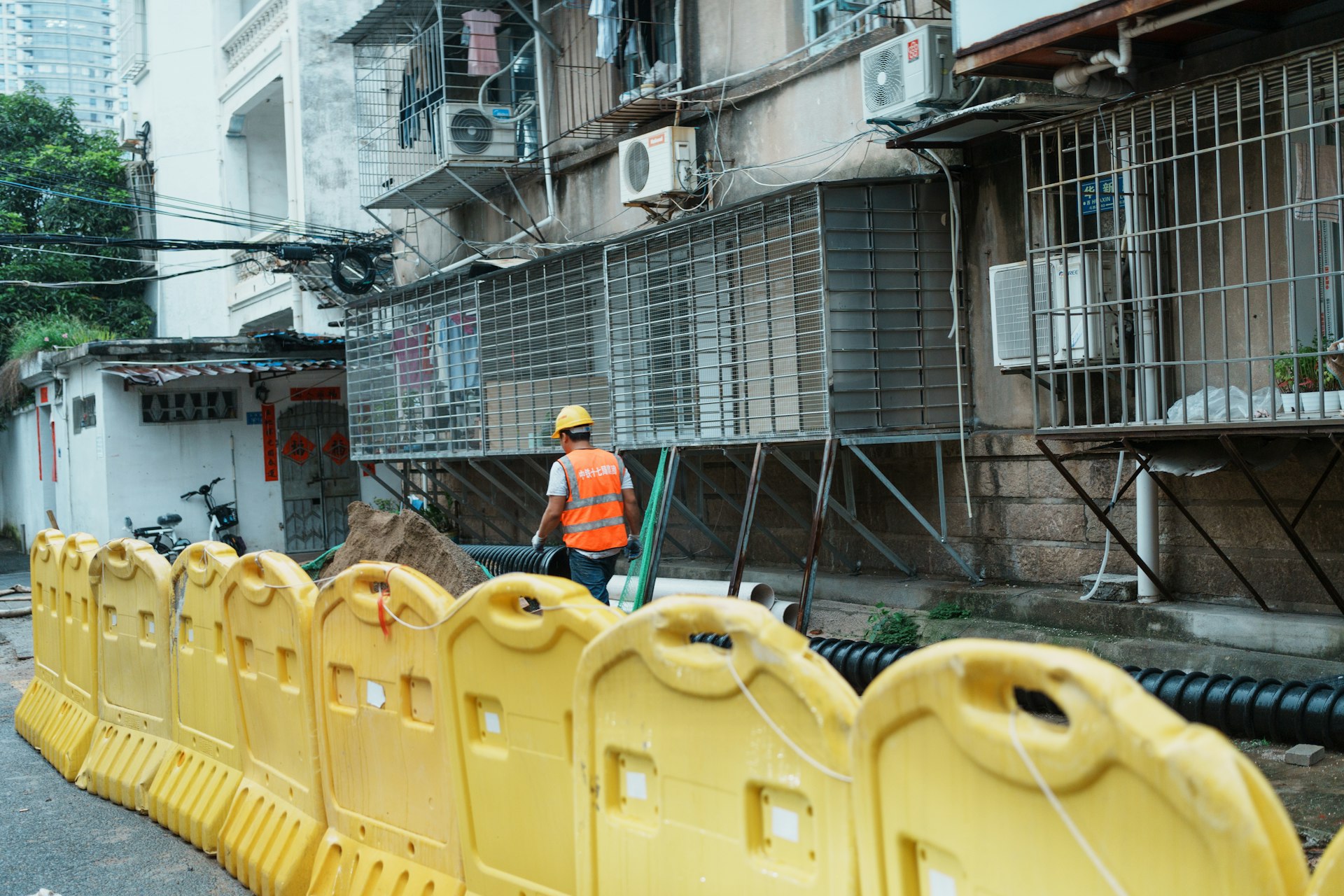
Rain that came through hail-damaged shingles or wind-lifted flashing, dried out of attics and ceilings.
Water pulled off carpet, wood and tile, then floors and walls dried with dehumidifiers and air movers.
Mold after a hidden leak, contained and removed under Texas licensing rules for larger jobs.
Texas does not license general contractors or restoration companies statewide, but plumbers must be licensed by the Texas State Board of Plumbing Examiners, and mold remediation over 25 contiguous square feet requires licensed mold professionals under the TDLR mold program. Ask the company for the plumber's license number and look it up. Ask whether the crew is IICRC trained and for proof of insurance.
Far North Dallas is the part of the city north of the LBJ Freeway, running up to where Dallas meets Collin and Denton counties. It filled in fast between the 1970s and 1990s as the Tollway and the big office corridors pulled families north. Prestonwood grew around a country club and a long-gone mall of the same name, and Bent Tree followed with larger homes on curving streets near its own club.
That timing explains most of the water calls. Homes from that era sit on concrete slabs poured over clay, with copper or polybutylene supply lines and cast iron or early plastic drains running under the floor. Builders put water heaters and air handlers in the attic to save floor space. Add hail every spring, long dry summers that shrink the soil, and the occasional hard freeze, and you have the usual mix: slab leaks, attic leaks, roof leaks and frozen pipes.
Water and sewer come from Dallas Water Utilities. The city maintains the mains and the meter. The service line from the meter to the house, the plumbing in and under the house and the private sewer line are the owner's.
A careful crew walks every wet room with a moisture meter, looks in the attic if the water came from above, and checks under the sink cabinets and behind the dishwasher if it came from the kitchen. They show you where the water went, tell you what they want to dry in place and what they want to remove, and leave a written list of equipment and a plan.
They come back to read the meters, move equipment as areas dry and adjust if the numbers are not dropping. You get photos and readings for your adjuster.
Take photos before anything is moved and call your agent. Restoration companies in Dallas deal with insurers every day: they log readings, photos and equipment, and many bill the insurer directly so you are not covering the whole cost up front. Ask on the first call. Sudden leaks are usually covered; slab leak policies often cover access and water damage but not the pipe itself.
When the readings are normal, the rebuild starts: drywall, insulation, baseboards, paint, flooring and sometimes cabinets. Some restoration companies do the rebuild themselves; others hand it to a contractor. Matching tile from the 1980s can be hard, so ask early whether a whole room may need new flooring.
Calls also come from the offices along the Tollway and Belt Line, shops on Preston Road and apartment complexes around Frankford and Campbell. The process is the same, with more focus on keeping the business running while equipment runs.
Property managers usually want one point of contact, daily written updates and photos for owners and insurers. Mention that on the first call so the crew sets up reporting from day one.
Photos



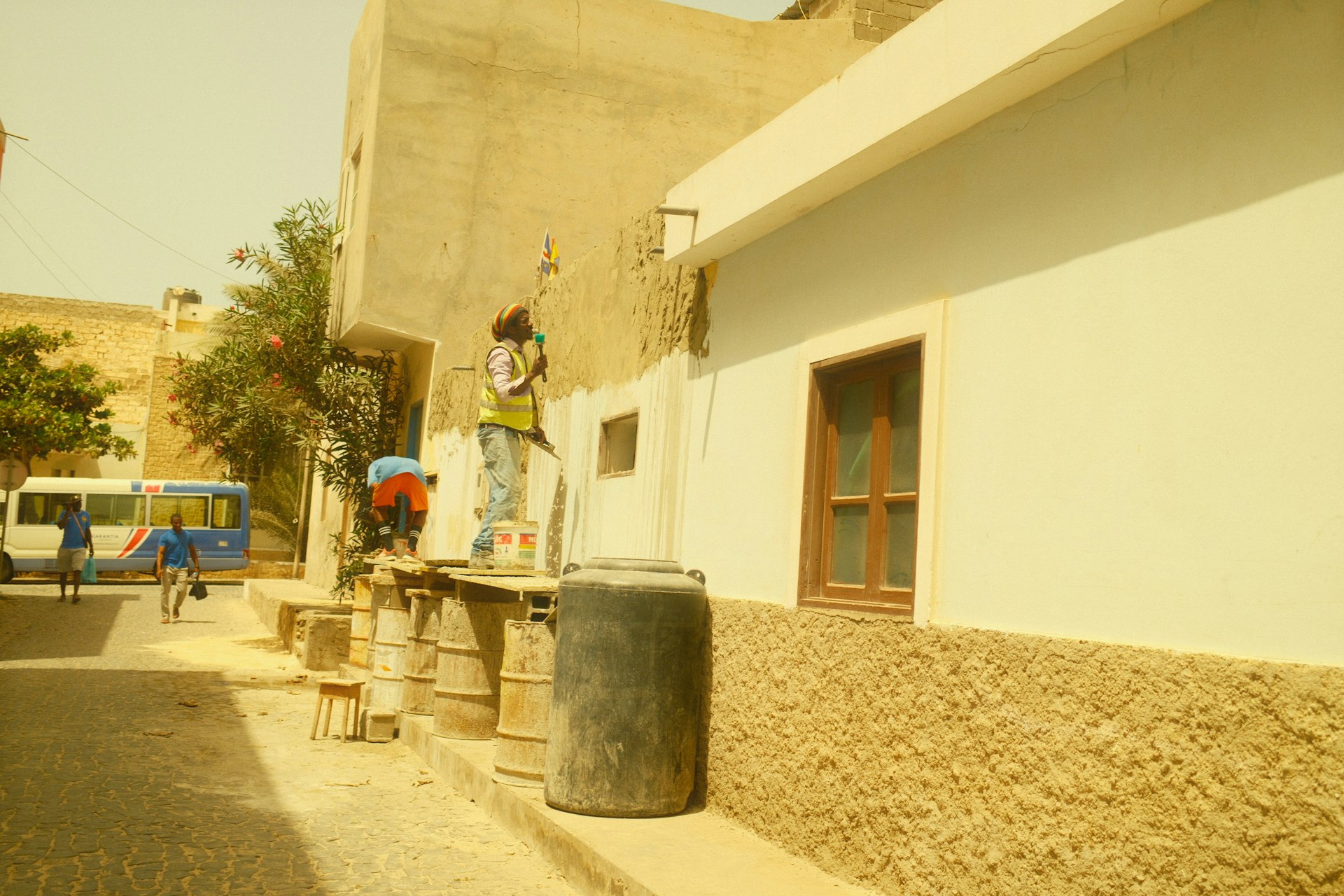

Typical jobs, shown with stock photos of similar Dallas-area work.
FAQ
Close the main water valve. In most North Dallas homes it is in a box near the curb or along the front of the house, and some homes have a second valve in the garage. For an attic water heater, close the cold water valve on top of the tank and turn off the gas or breaker. Stay away from wet outlets, take photos, then call.
Warm or damp spots on tile or carpet, the sound of running water with every tap off, a water meter that keeps turning, cracks in flooring or a water bill that jumps for no reason.
Many Texas policies pay to tear out and replace the flooring and slab to reach the pipe and to repair the water damage, but not the pipe repair itself. Policies differ, so read yours or ask your agent.
Usually three to five days for clean water. A slab that absorbed water from below, or cabinets on a wet floor, can take longer.
Call a local crew
One call reaches a restoration company that works across Far North Dallas, from Prestonwood to Bent Tree and the streets between the Tollway and Coit. They explain the plan and how the price is set before anything starts.
(833) 829-0018Have your 5-digit ZIP code ready. A short prompt connects you to a local provider.